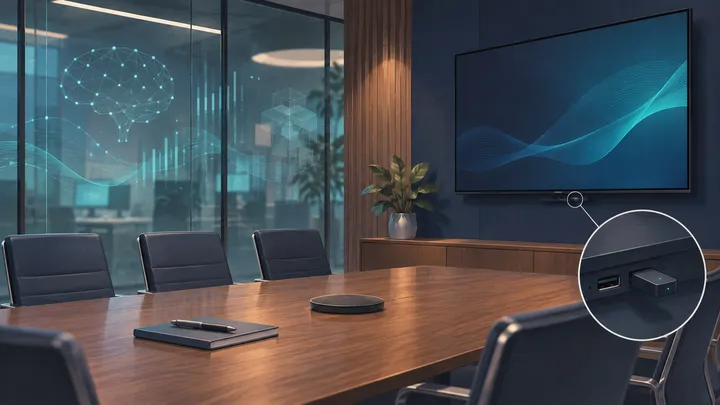
Prosecutors say a former OpenAI engineer’s alleged effort to record meetings inside the company produced a far larger archive than the hidden device first suggested: hundreds of audio files, including dozens of conversations at OpenAI, plus transcripts and material stored in Dropbox. The allegations describe a serious security incident at an AI company. They do not establish that trade secrets were transferred to Saudi Arabia, or that the defendant acted for its government.
In a November 23 court filing opposing Abdulrahman Alfozan’s release on bail, prosecutors said investigators found hundreds of audio files on his computer, including dozens recorded during OpenAI meetings and conversations in September 2026. Many, they said, involved discussions of “what may be trade secrets.” Prosecutors also described transcripts organized by date and content, some recordings apparently uploaded to Dropbox, and photographs on his phone of a confidential strategic-partnership document. Bloomberg reported the filing; its account was not directly accessible for this reporting. Engadget and Business Insider also described details attributed to the filing; they are reports of the same underlying government submission, not independent confirmation of its claims.
The case’s AI connection is more than the company’s name. Business Insider reported that prosecutors cited OpenAI records alleging Alfozan used the company’s Codex coding tool to configure voice detection for the device and help organize recordings. That allegation points to an uncomfortable dual use of an AI coding assistant: a tool intended to help write software can also assist with a harmful task. The accessible reporting does not provide the prompt history, code or technical records needed to independently assess exactly what Codex generated or how much it contributed. The government’s October complaint separately alleged that a chatbot account associated with Alfozan’s spouse asked about constructing, concealing and remotely accessing a recorder; it did not itself establish the later Codex details.
The U.S. Attorney’s Office said in its October 13 announcement that the complaint alleged OpenAI discovered a recorder plugged into a television in an executive conference room on September 30. Prosecutors said the device had been installed around September 28 and that the room was used for confidential technical, commercial and strategic discussions. The complaint also described a second similar device found in a bag at another location in the office. These are allegations in a criminal case, not findings after trial.
Prosecutors’ November filing also alleged frequent communication with people affiliated with the Saudi government while Alfozan was recording and cataloging meetings concerning OpenAI partnerships and capabilities. His lawyer has denied that he stole trade secrets for Saudi Arabia and disputed the suggestion of covert government ties, according to coverage of the filings. The allegations about contacts and timing do not identify a recipient for the recordings or prove that any material reached a foreign government.
That distinction matters. The charge publicly described by the Justice Department is interception of oral communications, under federal wiretap law; the October announcement said Alfozan faced that charge and stressed that a complaint is an allegation and that he is presumed innocent. Reporting on the November filings says he pleaded not guilty. Trade-secret theft and economic espionage have been discussed in the dispute, but the reports reviewed here do not establish that he has been charged with either offense. Prosecutors say their investigation is continuing.
For AI companies, the incident highlights a less cinematic but consequential part of model security: protecting the human conversations, business plans and research decisions around the systems, not only model weights or source code. The reported use of Codex also raises questions about the safeguards and auditability around AI coding tools. The records needed to judge those questions—such as the underlying prompts, tool outputs and full technical context—are not available in the public materials reviewed for this article. Nothing in the current reporting demonstrates a model failure or establishes that the assistant knew the alleged purpose.
Research checked November 25, 2026. The alleged recordings occurred in September; the original arrest and complaint were announced October 13. The new recordings and Codex allegations derive from prosecutors’ November 23 filing as reported by Bloomberg and other outlets. The filing itself was not directly inspected here.